7 Common Floor-Prep Mistakes (And How to Avoid Them)
Your local floor-prep experts — Floormasters Group, Victoria BC
Preparing concrete properly is the most important step before applying epoxy, polyaspartic,
or decorative flake systems. As one of Vancouver Island’s leading surface-prep companies, we
regularly see the same issues cause peeling, bubbling, and coating failure.
Here are the seven most common floor-prep mistakes—and how homeowners and contractors in
Victoria, Langford, Nanaimo, and surrounding areas can avoid them.
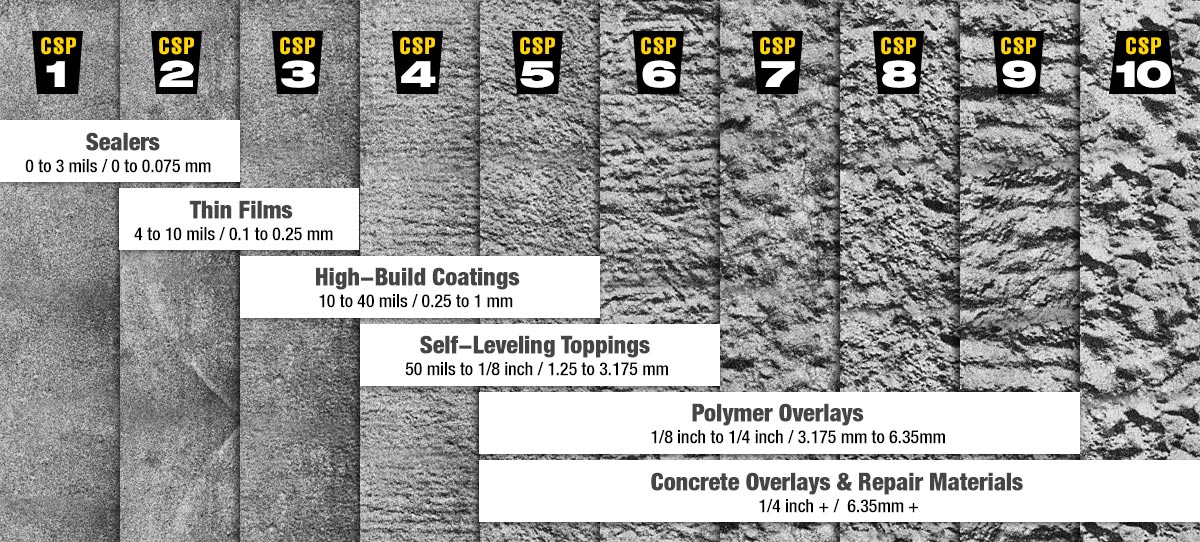
1) Not achieving the correct concrete surface profile (CSP)
Light sanding or hand tooling is not enough for most industrial or residential coatings.
Professional manufacturers specify a Concrete Surface Profile (CSP) of 2–3+ for
epoxy floors and higher profiles for build coats.
- Correct method: Use a planetary concrete grinder with metal-bond diamonds and finish with HEPA extraction.
- Why it matters: Proper profiling ensures strong mechanical adhesion and prevents delamination.
2) Skipping moisture testing
Moisture vapor transmission (MVT) is one of the top causes of coating failures on Vancouver Island,
especially after rainy weather or in garages built on-grade.
- Correct method: Perform a plastic sheet test or an in-situ relative humidity (RH) test.
- If moisture is high: Install a moisture-tolerant epoxy primer or a dedicated MVT mitigation system.
3) Not repairing cracks or joints properly
Cracks and control joints will telegraph through coatings unless properly treated.
Epoxy and polyaspartic systems are not structural fillers.
- Correct method: V-groove, vacuum, fill with fast-set mortar or polyurea joint filler, then re-grind.
4) Leaving contaminants on the concrete
Oil, adhesives, paint, curing compounds, and grease prevent coatings from bonding.
Pressure washing can also trap moisture in the slab if done too close to coating day.
- Correct method: Degrease properly, mechanically remove adhesives/paints, and vacuum dust-free with HEPA.
5) Using the wrong primer—or no primer at all
Primer is essential. It locks down the concrete surface, increases adhesion, and prevents outgassing.
- Correct method: Match your epoxy/urethane/polyaspartic primer to slab conditions (dry, damp, or high moisture).
6) Missing the recoat window
Every coating has a manufacturer-specific recoat time. Missing it can cause solvent entrapment,
poor adhesion, or require full abrading before the next coat.
- Correct method: Follow the technical data sheet and adjust for site temperature. Lightly sand if unsure.
7) Neglecting edges, corners, and transitions
Edges, stairs, and thresholds are the first places to fail. They require detailed grinding and prep.
- Correct method: Hand-grind edges and transitions, feather repairs, and tape expansion joints cleanly.
Victoria & Vancouver Island Surface-Prep Considerations
- High humidity: Local weather affects cure times—use moisture-tolerant primers when needed.
- Cold concrete slabs: Cure rates slow dramatically below 10°C. Avoid unapproved accelerators.
- Older concrete: Many Island homes have porous or uneven slabs needing deeper grinding.
Concrete Floor-Prep Checklist
- Complete moisture testing and document results
- Grind to required CSP profile; vacuum with HEPA
- Repair cracks, joints, and edge damage
- Remove contaminants or previous coatings
- Apply the correct primer within its recoat window
- Install build coats/top coats using temperature charts
Floormasters Group provides concrete grinding, moisture mitigation, epoxy flooring, polyaspartic
coatings, and surface-prep services across Greater Victoria and Vancouver Island.